

-
Research Article
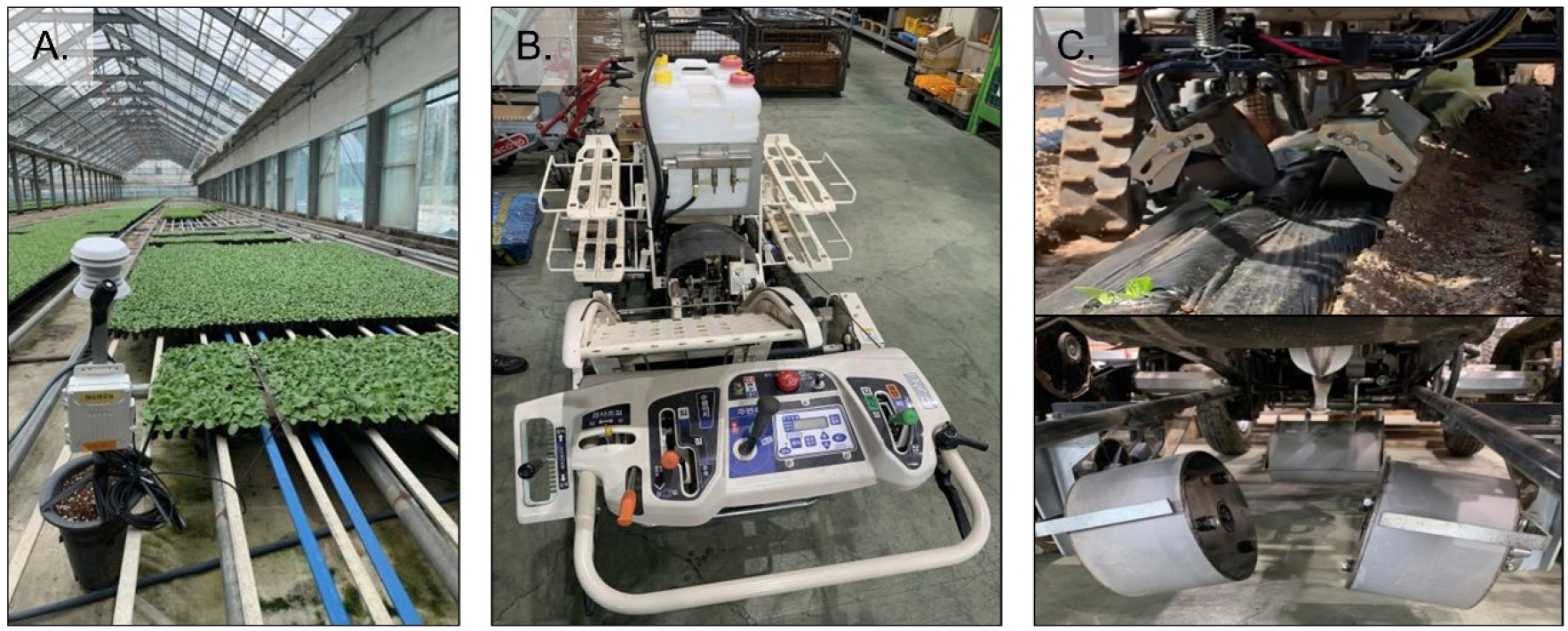
- Effects of Nursery Site and Seedling Age on Seedling Quality and Automatic Transplanting Performance of Summer Kimchi Cabbage
- Hyuntaek Seo, Sewon Kim, Kyusuk Han, Yong Beom Kwon, Ho-Min Kang
- This study was conducted to determine the effects of nursery site and seedling age on seedling quality and mechanical transplanting performance of …
- This study was conducted to determine the effects of nursery site and seedling age on seedling quality and mechanical transplanting performance of summer kimchi cabbage using a domestically produced automatic transplanter. Seedlings were raised for 20, 25, 28, and 30 days at a highland nursery in Taebaek and a lowland nursery in Chuncheon. Root-zone temperature exceeded 35°C for 13.2 to 31.6 h at Chuncheon but never at Taebaek. Seedlings at Chuncheon completed root establishment early and then elongated rapidly, reaching a plant height 8.0 cm at 28 days, whereas those at Taebaek elongated gradually and developed more leaves. Transplanting failure arose from two opposing causes: extraction failure predominated at shorter seedling ages, reaching 15.6% at 20 days at Taebaek, and seedling displacement at longer ages, reaching 13.6% at 30 days at Chuncheon. Transplanting rate was consequently highest at 28 days at Taebaek (94.1%) and at 25 days at Chuncheon (96.8%), where root coverage index was 5.9 and 6.3 and plant height 5.6 and 7.4 cm, respectively. Extraction failure was approximately 2% in treatments with a root coverage index of 5.9 or higher, indicating an association between greater root coverage and lower extraction failure. Nursery management should therefore be differentiated by site, with a shorter nursery period at warm lowland nurseries than at cool highland nurseries. - COLLAPSE
-
Research Article
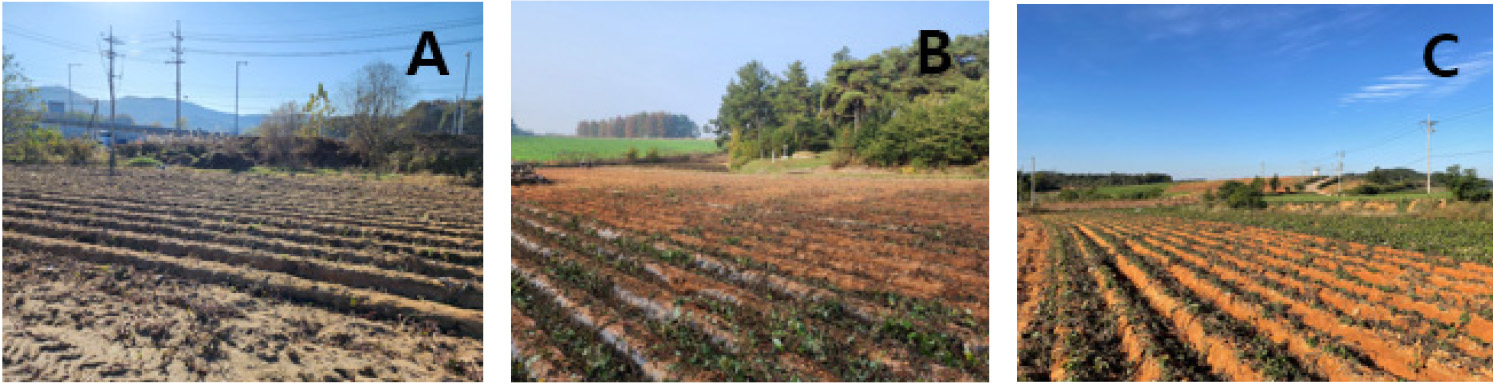
- Performance Evaluation of a Double-Conveyor-Type Sweet-Potato Harvester under Different Soil Textures
- Jinho Won, Jung-Yeon Seo, Jeongju Chae, Sun-Bin Min, Dae Cheol Kim, Yongjin Cho
- This study evaluated the performance of a double-conveyor-type sweet-potato harvester under three different soil conditions. The harvester was designed with dimensions of …
- This study evaluated the performance of a double-conveyor-type sweet-potato harvester under three different soil conditions. The harvester was designed with dimensions of 3,030 mm × 1,880 mm × 1,200 mm (L × W × H) and fitted with a 500-mm digging blade. To minimize mechanical damage to the sweet-potato skin during conveying, rubber padding was added to the conveyor chain, and a rubber guide was installed at the rear of the conveying unit to facilitate smooth collection and reduce further damage. In addition, a V-shaped blade was designed and installed at the drop point to prevent stems from entering the harvester during harvesting. To evaluate its performance, the developed harvester was compared with four conventional sweet-potato harvesters. The tractor operating conditions were set at a travel speed of 1 km/h and a PTO rotational speed of 540 rpm. At the Yeoju test field, the developed harvester achieved a digging ratio of 96.4% and a damage ratio of 21.8%. At the Gimje test field, the digging and damage ratios were 99.1% and 36.4%, respectively. At the Haenam test field, the digging and damage ratios were 89.6% and 12.6%, respectively. - COLLAPSE
-
Research Article
- Revision Demand and Direction of National Policy for Soil Erosion Survey (II): Determination of Tolerable Soil Loss Limit
- Youn Shik Park
- Soil erosion is a critical environmental issue, particularly in South Korea, where steep topography and concentrated summer rainfall accelerate soil loss. The …
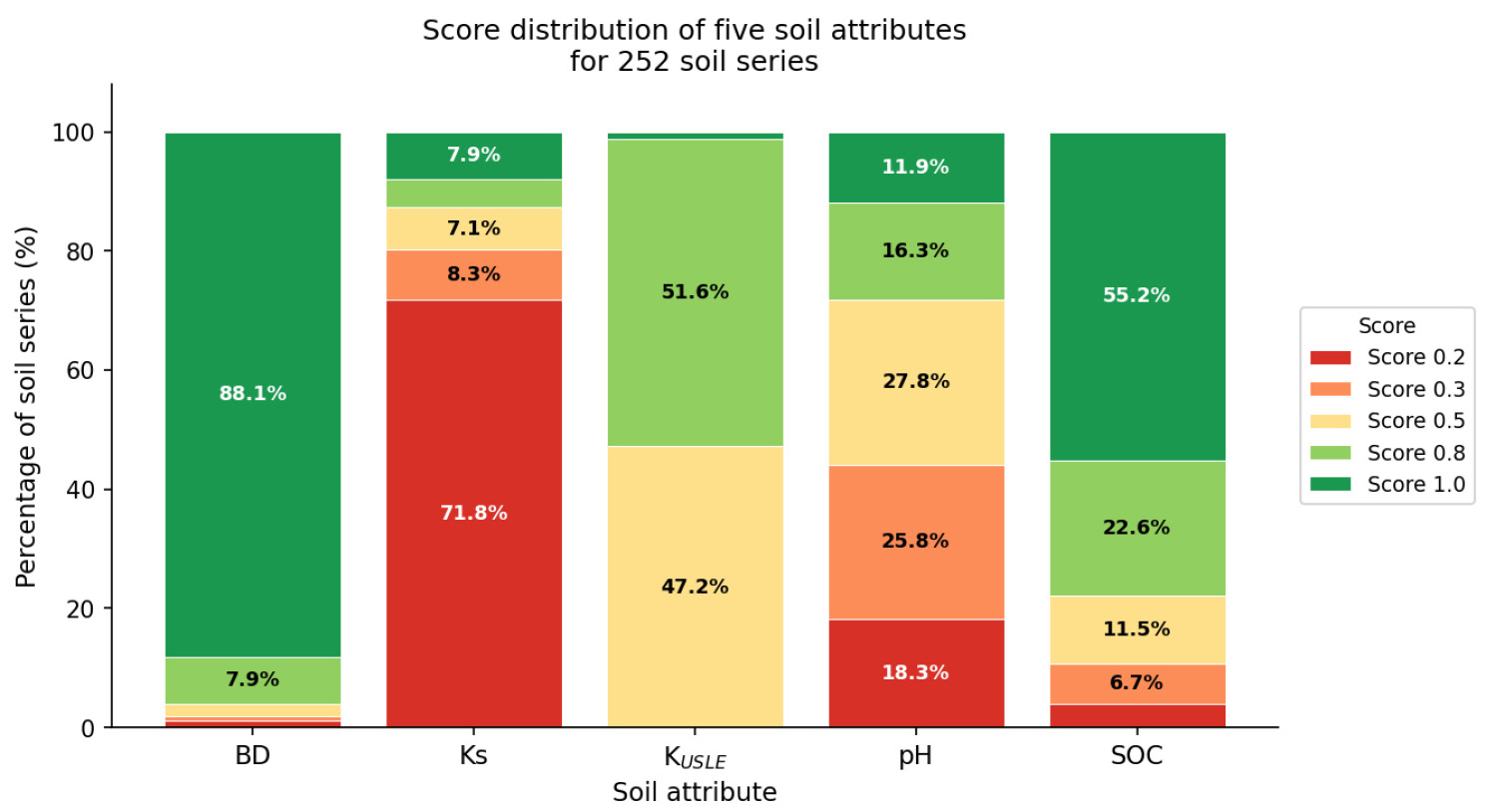
- Soil erosion is a critical environmental issue, particularly in South Korea, where steep topography and concentrated summer rainfall accelerate soil loss. The Public Notice on Current Status of Topsoil Erosion provides a framework for soil erosion surveys using the Universal Soil Loss Equation (USLE), which consists of preliminary and field survey stages. Although the preliminary survey includes a clear site-selection threshold (50 Mg/ha/yr), the field survey currently lacks an evaluation standard for measured soil loss. This study proposes a method to determine the Tolerable Soil Loss Limit (TSLL) as such a criterion. The method uses five soil attributes (bulk density (BD), saturated hydraulic conductivity (Ks), USLE soil erodibility factor (KUSLE), pH, and soil organic carbon (SOC)) to compute an aggregate quality score (Q), which, together with topsoil depth, determines the TSLL. Ks was estimated using the pedotransfer function, and KUSLE was calculated. The proposed method was applied to 252 South Korean soil series, for which measured BD was available in the Heuktoram soil database. Results showed that 168 series (66.7%) were assigned a TSLL of 2.5 Mg/ha/yr, reflecting predominantly shallow topsoil and moderate soil quality. The proposed method provides a soil-specific, attribute-based criterion for assessing whether field-measured soil loss exceeds tolerable limits. - COLLAPSE
-
Research Article
- Disease and Pest Occurrence in Fields of the Gangwon State-bred Potato Cultivar ‘Pungnong’ and Comparison of Control Effects of Registered Chemicals against Common Scab
- Heon-Seop Won, Mi-Sun Jung, Ji-Hye Jang, Ki-Seong Kim, Jean-Hee Maeng, Ok Choi, An-soo Lee, Jong-Yeol Park, Jeong-Ho Choi, Duck-Hwan Park
- The pests and diseases that might affect the new Gangwon State-bred potato cultivar ‘Pungnong’ remain unknown; thus, in this study, the major …
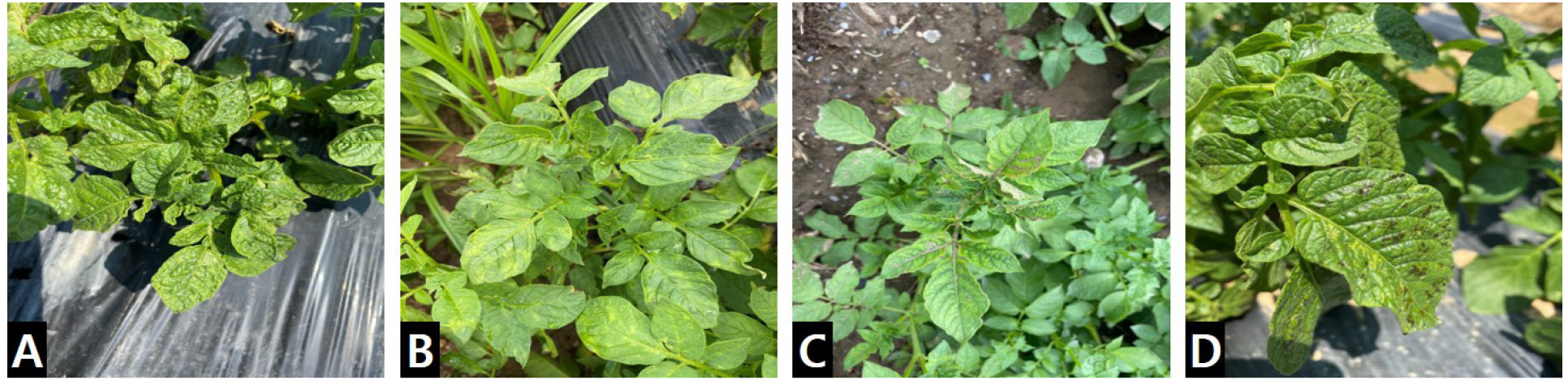
- The pests and diseases that might affect the new Gangwon State-bred potato cultivar ‘Pungnong’ remain unknown; thus, in this study, the major diseases and pests and the control efficacy of registered chemicals against potato common scab was evaluated in ‘Pungnong’ potato fields in Gangwon State were evaluated with the aim of gathering baseline data for the stable cultivation and expanded distribution of the variety. Pest and disease surveys were conducted at ‘Pungnong’ demonstration sites in Wonju and Samcheok in 2024, and in Yeongwol and Yanggu in 2025. The survey results showed the repeated detection of Potato virus Y (PVY) in both years, rendering it the most frequently observed viral disease during the survey period. The virus was primarily detected between the tuber formation and tuber enlargement stages, and exhibited a high diseased tuber rate in conjunction with aphid infestations in some plots. Various symptoms, including chlorosis, chlorotic spots, and leaf curling were observed, suggesting that symptom manifestation may vary depending on the PVY strain, time of infection, and growing conditions. Fungal diseases were also observed, with early blight detected in some fields in Yeongwol and Yanggu in 2025, suggesting the need for continuous monitoring of late-season leaf diseases, while in terms of pests, the chafer beetle Popillia flavosellata was found at the Yeongwol demonstration site in 2025, indicating the need for further surveys to clarify its occurrence and damage patterns. A chemical control trial for potato common scab showed the best results for fluazinam granule treatment, with a disease severity of 35.6%, diseased tuber rate of 81.0%, total tuber yield of 4,988.3 kg/10 a, and marketable tuber rate of 82.0%. However, the high diseased tuber rate under treatment indicates that chemical treatment alone is insufficient to completely suppress the occurrence of common scab. The results of the study suggest that continuous monitoring of PVY and early blight is necessary in the ‘Pungnong’ fields, and that fluazinam granules should be used as part of an integrated disease management system combined with healthy seed tubers, soil moisture and pH management, and crop rotation. - COLLAPSE
-
Research Article
- Anticancer Activity of Sorghum Bicolor Seed Extracts and Their Effects on Apoptosis-Related Gene Expression
- Won Hyeok Choi, Suho Lim, Jeong Yeon Park, Ji Hye Yoo, Ju Hee Park, Na Young Kim, Eun Soo Seong
- This study assessed the anti-proliferative effects and molecular apoptotic mechanisms of seed extracts from three genetic resources (IT225078, IT300108, and IT320916) of …
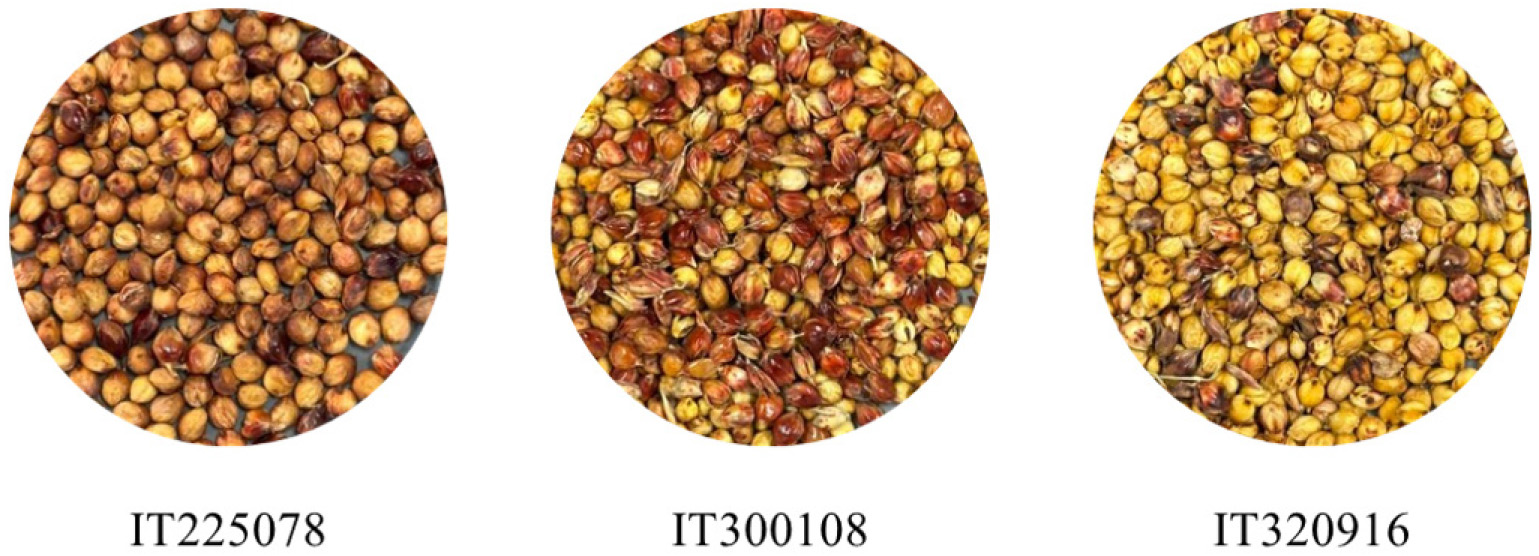
- This study assessed the anti-proliferative effects and molecular apoptotic mechanisms of seed extracts from three genetic resources (IT225078, IT300108, and IT320916) of sorghum (Sorghum bicolor (L.) Moench) against six human cancer cell lines (AGS, A549, HCT116, HeLa, Huh7, and HepG2). Cell viability was examined using the MTT assay, morphological alterations in the cells were observed under a microscope, and changes in the mRNA expression of key apoptosis-related genes (BAX, BCL2, CASP3, and CASP9) were examined using quantitative real-time PCR. The sorghum extract exhibited anti-proliferative effects on cancer cells in a concentration-dependent manner and induced morphological signs of apoptosis, such as cell shrinkage and detachment. Gene expression analysis demonstrated that the extract-treated groups showed alterations in the mRNA expression of BAX, BCL2, CASP3, and CASP9. This suggested that the sorghum extract affects the expression of genes linked to mitochondria-dependent apoptosis. Contrastingly, relatively strong resistance was noted in the Huh7 cells harboring mutant p53. This suggests that the anticancer mechanism of the extract is closely related to the functional activation of p53. Thus, sorghum extract can decrease the viability of different cancer cell lines and affect the mRNA expression of apoptosis-related genes, suggesting its potential as a natural product-based functional ingredient. - COLLAPSE
-
Research Article
- Simultaneous Determination of Marker Compounds and Anti-Adipogenic Effects of Cirsium setidens-Chamaecrista nomame Complex Extract in 3T3-L1 Cells
- Young-Jae Heo, Tae-Woong Song, Su-Jong Kim, Jin-Ho Roh, Sun-Il Choi
- Obesity is a chronic metabolic disorder that requires long-term management, for which edible plant resources are regarded as promising candidates. Cirsium setidens …
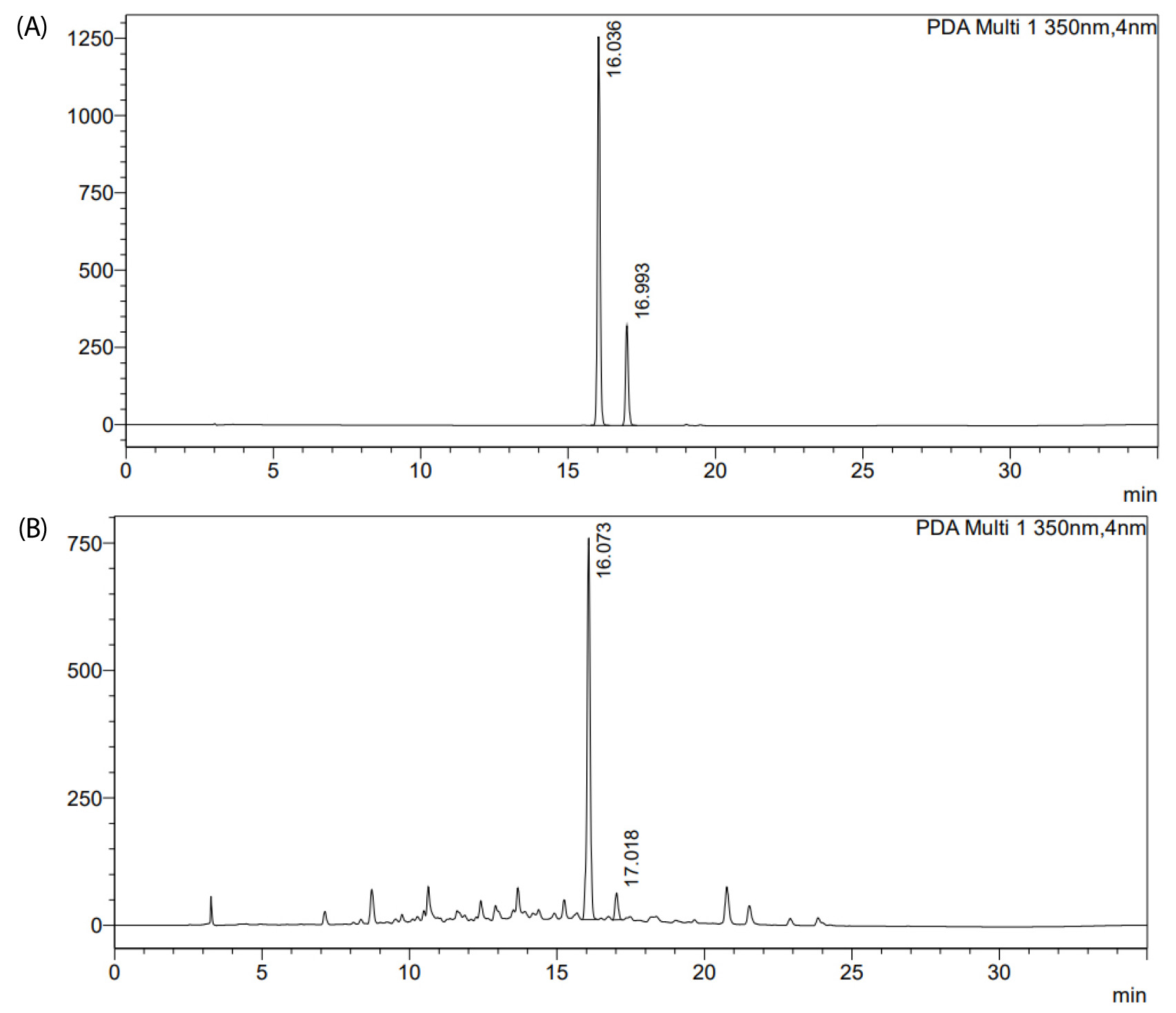
- Obesity is a chronic metabolic disorder that requires long-term management, for which edible plant resources are regarded as promising candidates. Cirsium setidens Nakai and Chamaecrista nomame (Siebold) H. Ohashi are edible plants native to Korea, and their 50:50 combined extract has been developed as a functional food material. This study established an HPLC method for the simultaneous determination of pectolinarin and luteolin, the marker compounds of the two materials, and evaluated the anti-adipogenic activity of the complex extract in 3T3-L1 adipocytes. The two markers were baseline-separated at 350 nm within 20 min in a 35-min run, and the method satisfied the ICH acceptance criteria, showing coefficients of determination of 0.9999, limits of detection of 0.23 and 0.03 µg/mL, intra- and inter-day relative standard deviations below 2%, and recoveries of 99.0 to 101.1%. The contents of pectolinarin and luteolin in the complex extract were 9.39 ± 0.25 mg/g and 324.39 ± 7.44 µg/g, respectively. None of the treatments reduced cell viability. The complex extract inhibited lipid accumulation and intracellular reactive oxygen species (ROS) production in a concentration-dependent manner, reducing them to 56.37 ± 2.61% and 64.43 ± 0.53% at 200 µg/mL, which was significantly greater than the inhibition produced by either single extract at the same total concentration. Molecular docking predicted binding of both markers to the ligand-binding pocket of peroxisome proliferator-activated receptor gamma (PPARγ) (-10.6 and -9.1 kcal/mol for pectolinarin and luteolin, respectively), with binding modes characteristic of partial rather than full agonists. These findings indicate that the standardized complex extract suppresses adipogenesis and oxidative stress, supporting its potential as a functional food ingredient for the management of obesity. - COLLAPSE
-
Research Article
- Effects of Mother Planting Density and Runner Age at Cutting on Seedling Quality and Yield of ‘Seolhyang’ Strawberry in a Hanging-Bed Propagation System
- KyeongWon Kim, WonKyung Lee, Hyuntaek Seo, YongBeom Kwon, Ho-Min Kang
- This study was conducted to establish an optimal mass-propagation system for strawberries by investigating the effects of mother plant planting density and …
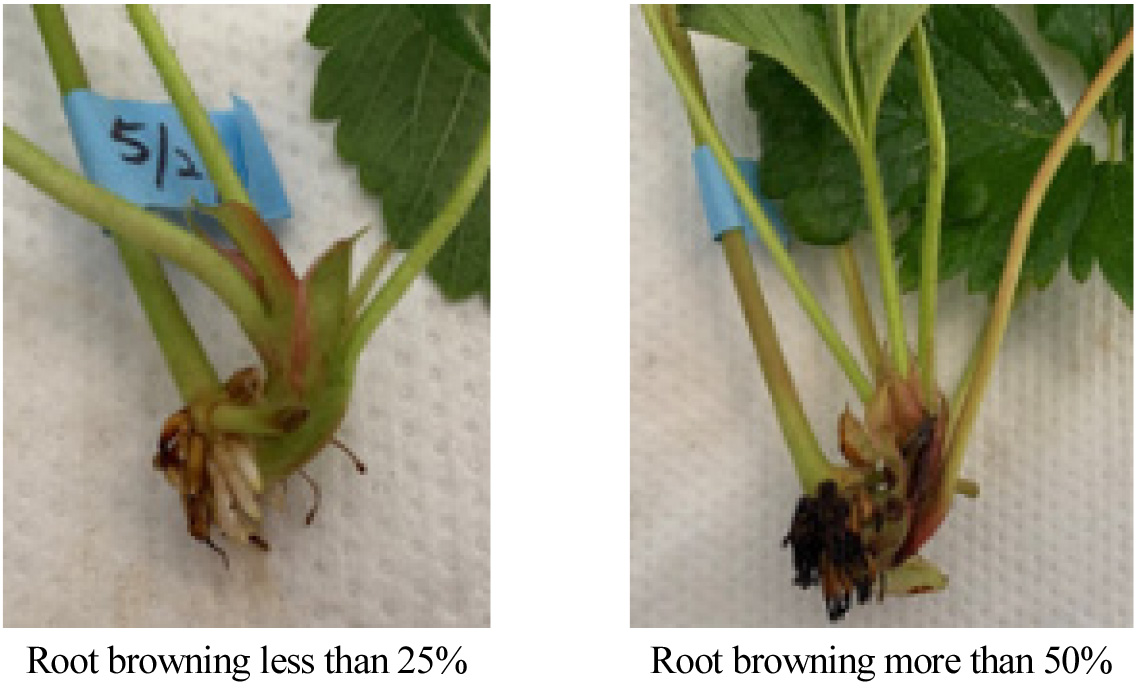
- This study was conducted to establish an optimal mass-propagation system for strawberries by investigating the effects of mother plant planting density and runner age at cutting, defined as the number of days after adventitious root emergence, on seedling quality and post-planting yield in a hanging-bed nursery system. Regarding the effect of planting density, the runner production per unit area was highest in the 9,120/990 m2 treatment, without any observed degradation in individual seedling quality. Although morphological growth parameters increased with runner age, root physiological quality significantly deteriorated in over-aged cuttings. Specifically, in cuttings aged 60 days or more, adventitious root browning intensified, and the survival rate sharply decreased to 36.2%. Early growth after transplanting was lowest in cuttings aged 60 days or more, and cumulative yield per initially transplanted plant was lower in the 0-15 day and 60+ day groups. Therefore, for efficient strawberry propagation, it is recommended to employ high-density planting and harvest healthy cuttings within an optimal age window of 16 to 60 days after adventitious root emergence, as determined under the highest mother plant density of 9,120 plants/990 m2. - COLLAPSE
-
Research Article
- Characteristics of Two Broad Bean Wilt Virus 2 Isolates from Perilla frutescens in Korea
- Chaemin Shin, Youseop Shin, Dongjoo Min, Jisu Kim, Jin-Sung Hong
- Broad bean wilt virus 2 (BBWV2) is an important virus that infects Perilla frutescens; however, studies comparing the biological and molecular …
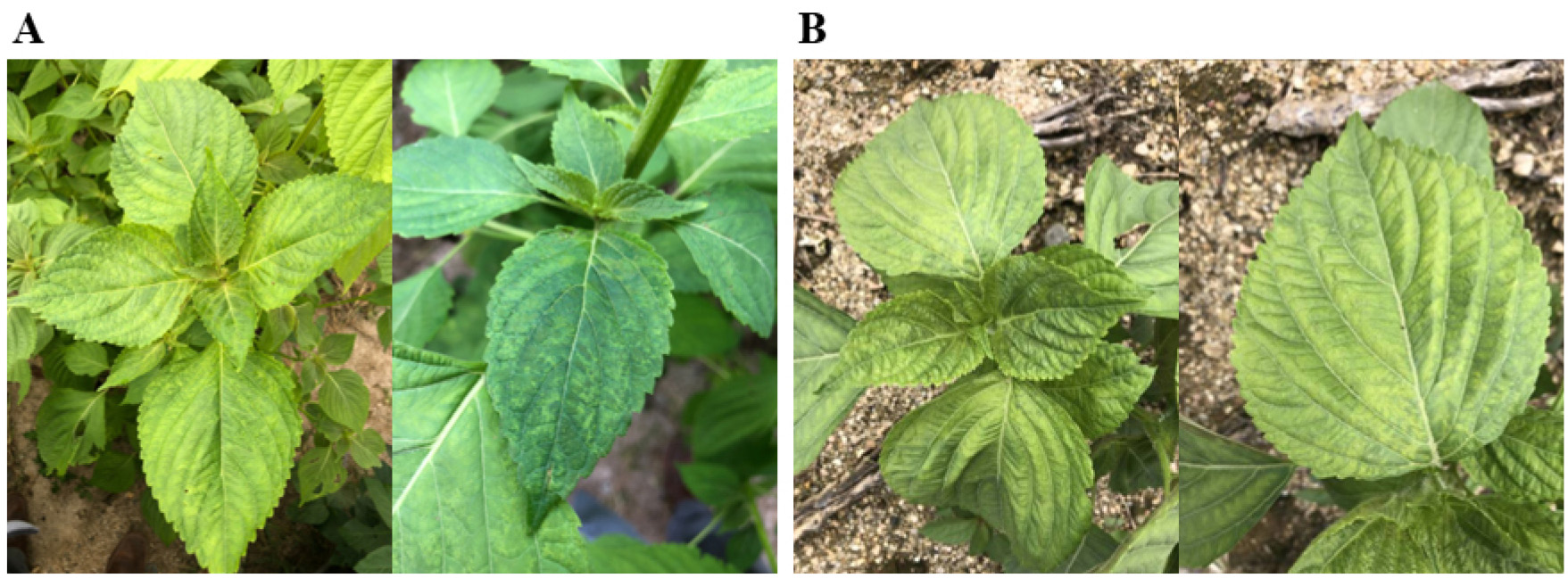
- Broad bean wilt virus 2 (BBWV2) is an important virus that infects Perilla frutescens; however, studies comparing the biological and molecular characteristics of regional isolates remain limited. In this study, perilla plants showing mosaic symptoms were collected from Chuncheon and Hwacheon, Korea in 2022. Reverse transcription polymerase chain reaction (RT-PCR) analysis detected BBWV2 in both samples, whereas perilla mosaic virus (PerMV), turnip mosaic virus (TuMV), and tomato spotted wilt virus (TSWV) were not detected. The two isolates were designated BBWV2-Ch and BBWV2-Hc. Sequence analysis showed that BBWV2-Ch shared the highest nucleotide sequence identity of 98.14% with the pepper isolate BBWV2-RP6 (GenBank accession no. JX183232.1), whereas BBWV2-Hc shared the highest identity of 97.10% with BBWV2-RP5 (JX183230.1). Biological characterization using nine host plants showed that both isolates induced mosaic symptoms in Nicotiana benthamiana and P. frutescens. However, distinct symptoms were observed in Chenopodium amaranticolor, indicating biological differences between the two isolates. Phylogenetic analysis based on the partial small coat protein amino acid sequence revealed that both isolates belonged to Group II-a, whereas the previously reported Korean perilla isolate, BBWV2-GS-PF, belonged to Group II-c. These results indicate that BBWV2 isolates infecting perilla in Korea comprise genetically diverse lineages. This study provides comparative biological and molecular characterization of two Korean perilla-derived BBWV2 isolates, offering a basis for further studies on the genetic diversity of BBWV2 in Korea. - COLLAPSE
-
Research Article
- Characterization of the Cucumber Mosaic Virus Isolated from Gomphrena globosa
- Dongjoo Min, Jisu Kim, Chaemin Shin, Youseop Shin, Jin-Sung Hong
- Gomphrena globosa is widely utilized as an experimental host for assessing the pathogenicity and host range of plant viruses. However, studies on …
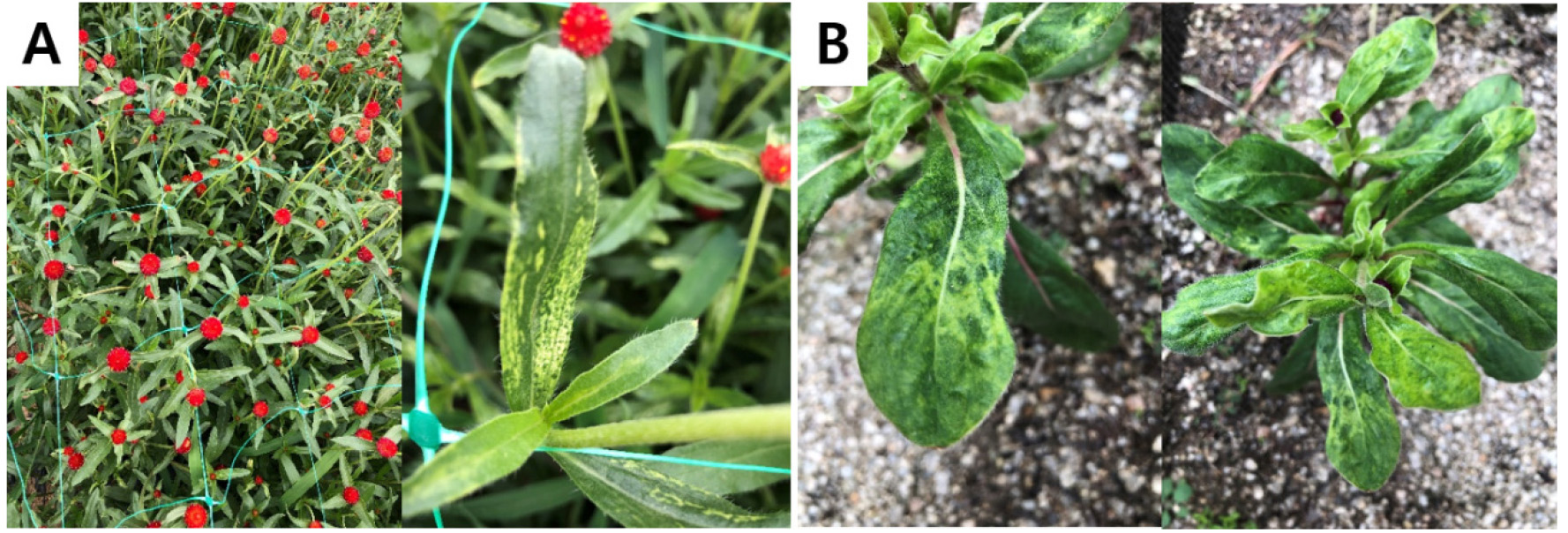
- Gomphrena globosa is widely utilized as an experimental host for assessing the pathogenicity and host range of plant viruses. However, studies on naturally occurring viral infections in this species remain scarce. In this study, cucumber mosaic virus (CMV) was detected in two G. globosa plants exhibiting mosaic symptoms collected from different locations in Chuncheon, Gangwon Province, Korea. The biological and molecular characteristics of the two isolates, designated CMV-GomCC1 and CMV-GomCC2, were examined. Reverse transcriptase-polymerase chain reaction (RT-PCR) and sequence analyses confirmed CMV infection in both samples. Host response analysis revealed that the two isolates induced symptoms similar to those caused by the reference isolate CMV-Fny in most tested host plants. However, distinct symptom responses were noted in cucumber (Cucumis sativus): CMV-Fny induced typical mosaic symptoms, CMV-GomCC1 caused mild mosaic symptoms, and CMV-GomCC2 caused symptomless infection, as confirmed via RT-PCR. Phylogenetic analyses based on the amino acid sequences of the movement protein (MP) and coat protein (CP) revealed that both isolates belonged to the CMV subgroup I. Additionally, CP amino acid sequence alignment demonstrated a high degree of sequence conservation among the CMV isolates derived from G. globosa. These findings provide fundamental information on the biological and molecular characteristics of the CMV isolates infecting G. globosa. - COLLAPSE
-
Research Article
- Analysis of Noise and Seat-Mount Vibration Characteristics in an Agricultural Tractor Cab under Different Transmission Gear Combinations
- Jung-Yeon Seo, Jinho Won, Jeongju Chae, Seung-Je Cho, Dae-Cheol Kim, Yongjin Cho
- Modern agricultural tractors operate with various implements and transmission gear combinations that can affect cab vibration and noise even at the same …
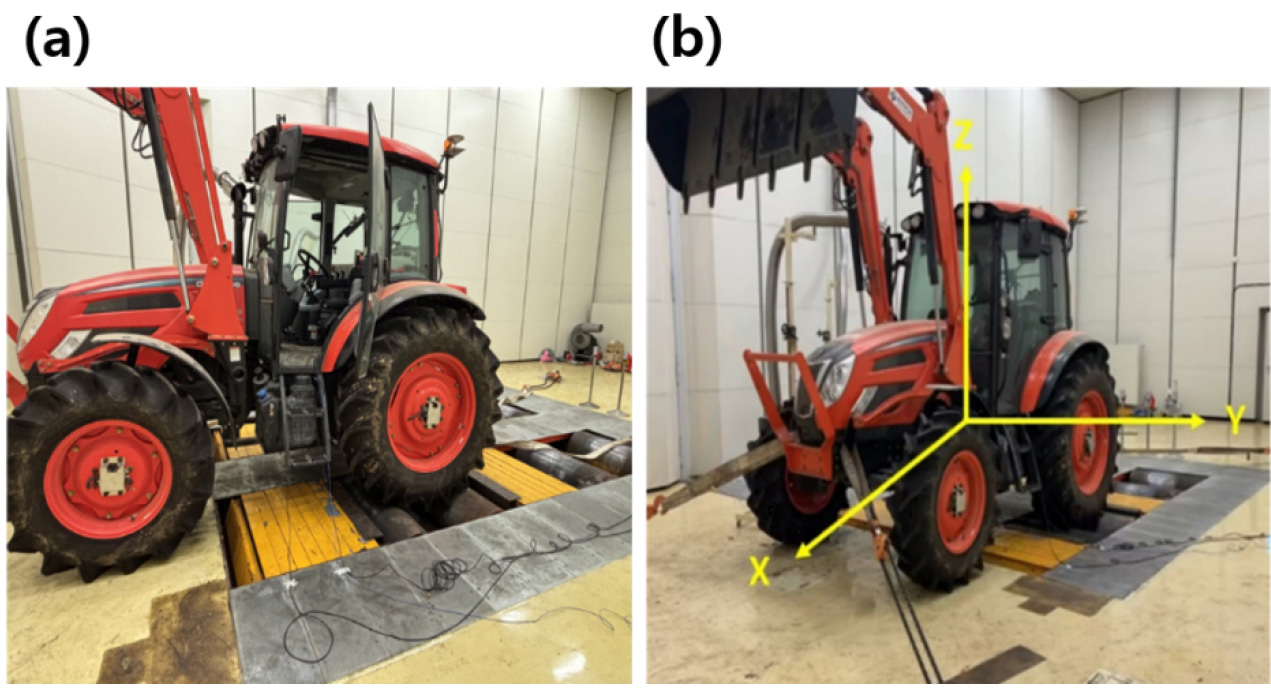
- Modern agricultural tractors operate with various implements and transmission gear combinations that can affect cab vibration and noise even at the same engine speed. This study evaluated the seat-mount vibration and cab noise characteristics of an agricultural tractor under different transmission gear combinations. Experiments were conducted in an anechoic chamber equipped with a dynamometer using a 76.8 kW tractor at a rated engine speed of 2,200 rpm. The test conditions included neutral and 12 forward combinations of four main gears (1-4) and three range gears (L, M, and H). Vibration was measured in the X, Y, and Z directions using a triaxial accelerometer at the seat mounting point, whereas noise was measured at the operator’s left and right ear positions using microphone positions based on ISO 5131. The frequency-weighted root-mean-square (RMS) acceleration and total vibration value based on the weighting method specified in ISO 2631-1, power spectral density, and A-weighted equivalent sound pressure level (LAeq) were analyzed. The total vibration value ranged from 0.351 to 1.323 m/s2 under forward driving conditions and was highest under H4 (1.323 ± 0.071 m/s2). The Z-axis made the greatest contribution in 9 of the 12 combinations and accounted for approximately 91.5% under H4. For representative conditions, dominant frequencies ranged from 0.98 to 3.61 Hz. The X- and Y-axis spectra were characterized primarily by components within this range, whereas the Z-axis also exhibited secondary components near 23-25 Hz in all representative conditions and near 35-42 Hz in some scenarios. LAeq ranged from 79.87 to 92.76 dB(A) at the right ear and from 78.29 to 91.30 dB(A) at the left ear, with the highest levels observed under H3. Overall, the seat-mount vibration and cab noise depended on specific gear combinations rather than increasing consistently with the gear stage. - COLLAPSE
-
Research Article
- Development and Analytical Characterization of a Sequence-Traceable Positive Control Plasmid for PCR Detection of the Edited SlGAD3 Allele in GABA-Enriched Tomato
- Yu Kyong Hu, Chea Yeon Kim, Byoung-Eun Min, Sung Don Lim
- GABA-enriched tomato developed by targeted mutagenesis contains a single thymine insertion in the C-terminal autoinhibitory region of the endogenous SlGAD3 gene. Because …
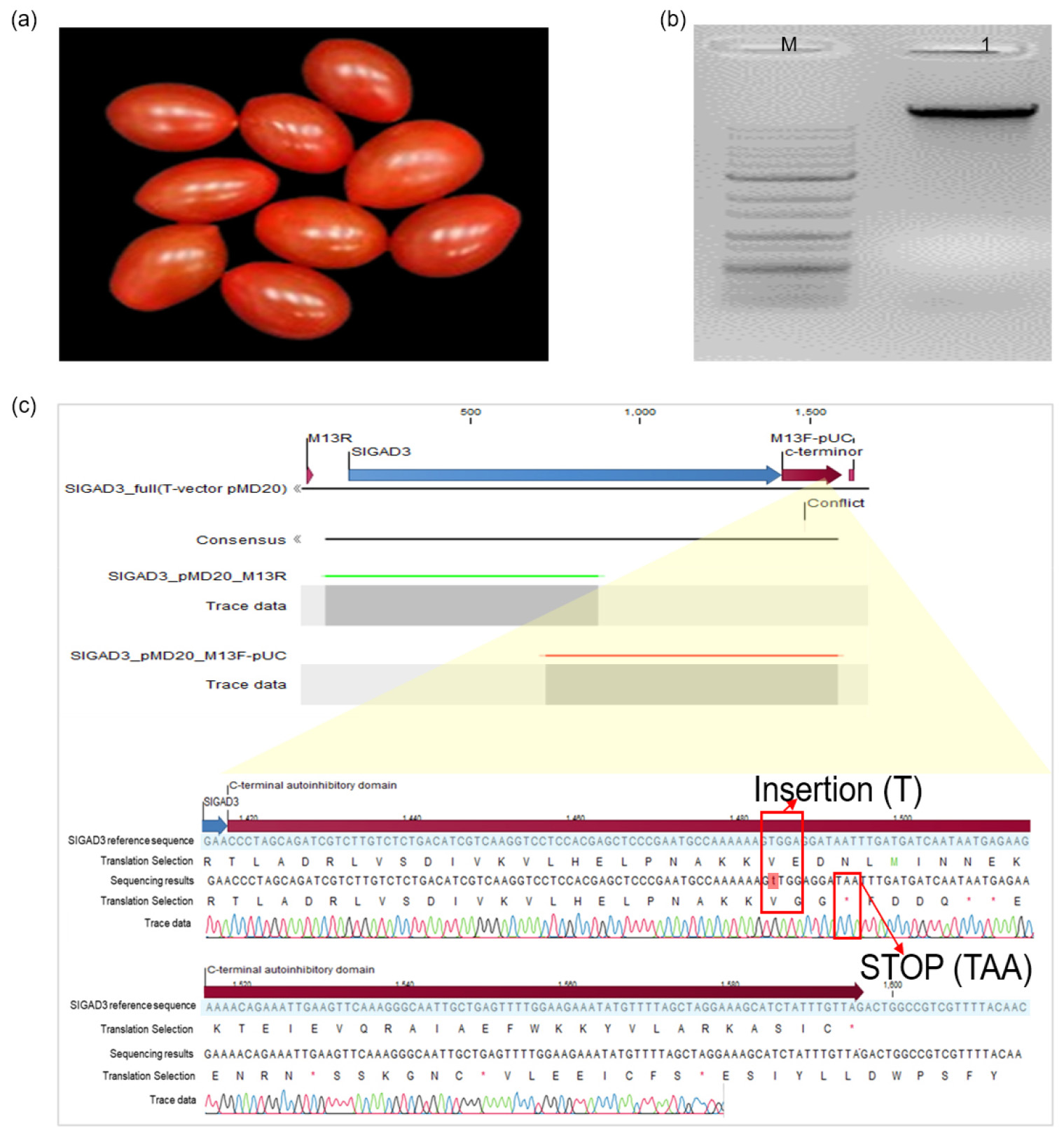
- GABA-enriched tomato developed by targeted mutagenesis contains a single thymine insertion in the C-terminal autoinhibitory region of the endogenous SlGAD3 gene. Because the analytical target is a short endogenous sequence variant, conventional screening assays targeting common transgenic elements are unsuitable for direct detection of the edited SlGAD3 allele. Detection of this allele does not by itself establish that the sequence variant originated from CRISPR/Cas9-mediated genome editing. This study developed a sequence-traceable positive-control plasmid for conventional PCR and TaqMan real-time PCR detection of the edited SlGAD3 allele. The assay used the allele-specific forward primer SlGAD3_var1_F, the common reverse primer SlGAD3_WT_R, and a FAM-labeled GABA-TaqMan probe. A 120-bp synthetic insert containing the primer- and probe-binding sites and two plasmid-specific spacer sequences was cloned into the pMG-Kan vector. Sanger sequencing confirmed the integrity of the insert and the presence of the intended spacer sequences. Conventional PCR generated the expected 120-bp amplicon across a 10-fold plasmid dilution series, with decreasing band intensity at lower template concentrations. A copy-number-based TaqMan real-time PCR standard curve covering 101-106 nominal plasmid copies per reaction yielded an R2 value of 0.9969 and an amplification efficiency of 93.5%. The expected amplicon was detected in the positive-control plasmid and GABA-enriched tomato but not in any of the 11 conventional commercial tomato samples. Sequence analysis further distinguished plasmid-derived amplicons from the corresponding tomato genomic target. These results demonstrate that the developed plasmid is suitable as a sequence-defined qualitative positive control for the SlGAD3_var1 assay and for investigating suspected positive-control carryover. - COLLAPSE
-
Research Article
- Reference Gene Selection and Primer Validation for qRT-PCR Analysis in ‘Fuji’ Apple Leaves under High-Temperature Treatment during Fruit Development
- Jae-Hoon Jeong, Sihyeong Jang, Taehwan Shin, Seul-Ki Lee, Jung-Gu Lee, Tae-Seon Park
- Reliable normalization is essential for quantitative reverse transcription PCR (qRT-PCR); however, suitable reference genes have not yet been established for apple leaves …
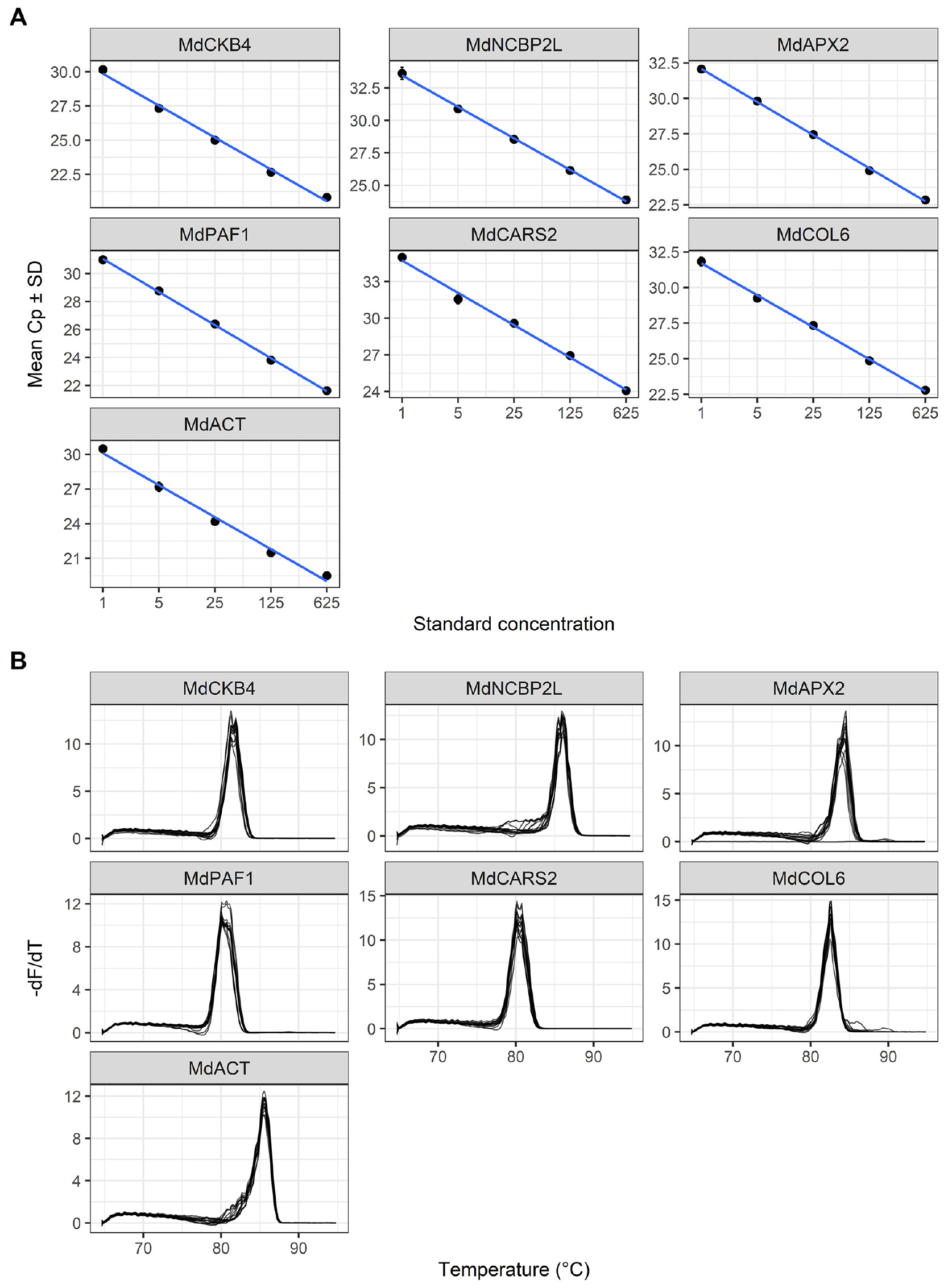
- Reliable normalization is essential for quantitative reverse transcription PCR (qRT-PCR); however, suitable reference genes have not yet been established for apple leaves exposed to high-temperature conditions during fruit development. The aim of this study was to identify reference genes and validate primer pairs for ‘Fuji’ apple trees subjected to high-temperature treatment during fruit development in natural-light greenhouses. Candidate genes were selected by re-evaluating published primer pairs against current Malus × domestica Borkh. RefSeq records and by screening RNA-seq data from 27 samples collected from control, +3°C, and +6°C treatments at 10, 13, and 15 weeks after treatment. Expression stability was subsequently evaluated in 18 control and +6°C samples using geNorm, NormFinder, and BestKeeper. The seven retained primer pairs produced linear standard curves (R2 = 0.992 - 0.999) and single dominant melting peaks. Primer-specific amplification factors were incorporated into the relative quantification. MdCARS2 and MdCKB4 were ranked as the most stable reference genes across the three algorithms, followed by MdPAF1. The geNorm pairwise variation value for adding a third reference gene was below the recommended threshold (V2/3 = 0.0946), supporting the use of these two reference genes. The normalized quantities of MdAPX2 and MdCOL6 calculated using MdCKB4 and MdCARS2 (NF2) agreed closely with those obtained after adding MdPAF1 (NF3). Lin’s concordance correlation coefficients were 0.974 for MdAPX2 and 0.920 for MdCOL6, and the overall mean bias was -0.032 log2 units. These results indicate that the geometric mean of MdCARS2 and MdCKB4 provides a practical normalization factor for one-step qRT-PCR analysis of mature ‘Fuji’ apple leaves under high-temperature conditions during fruit development. - COLLAPSE

Journal Informaiton
 Journal of Agricultural, Life and Environmental Sciences
Journal of Agricultural, Life and Environmental Sciences








 Agriculture and Life Sciences Research Institute, Kangwon National University
1 Kangwondaehak-gil, Chuncheon, Gangwon 24341, Korea
Tel: +82-33-250-6408 / Fax: +82-33-259-5743 / E-mail: alsri@kangwon.ac.kr Copyright© Agriculture and Life Sciences Research Institute, Kangwon National University
Tel: +82-33-250-6408 / Fax: +82-33-259-5743 / E-mail: alsri@kangwon.ac.kr Copyright© Agriculture and Life Sciences Research Institute, Kangwon National University